FIRST, A SUBSTACK UPDATE: Between traveling and gigging, I haven’t been able to keep up with Substack, but I’m hoping that will change and I can keep in better touch with my Substack friends. Meanwhile...
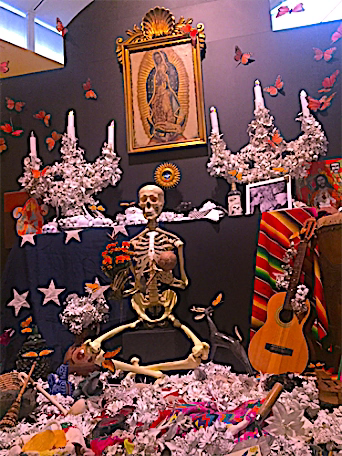
A SONG FOR DAY OF THE DEAD: In many places around the world, people are celebrating Day of the Dead (Día de los Muertos), a festival for family and friends to gather and pay respects and give rememberances to loved ones who have died. It’s generally celebrated on November 1st and 2nd, but festivities can run for a week depending on your locale. It occurs during the Christian period of All Hallow Tide and includes traditions from indigenous Mexican and Aztec customs. The festival is most strongly observed in Mexico and among people of Mexican heritage. Celebrations tend to be theatrical and light-hearted as celebrants play back and re-enact amusing stories about the departed. On this note, here’s my song “They Were There For You”
My wife Robin has shared many wistful and heartfelt stories about growing up with her family and their celebrations and holiday gatherings. Not only did they put effort into these festivities, but they genuinely enjoyed one another’s company. Their presence provided ongoing strength in times when life wasn’t so festive or happy. In hearing these stories, I felt that these folks were truly there for one another, and in a sense, they are still present even though Robin is the last one standing in her nuclear family. That led me to write this song about the permanence of love even after the participants have left our mortal coil of flesh and blood. It folded in with the themes of eternity, mortality, space, and time included on my album WE’RE GETTING CLOSER TO THE SUN. Musically I was inspired by Glen Campbell (I played a Mosrite electric 12-string guitar like one that Glen used), Neil Finn, Paul McCartney, and (especially) King Crimson’s “I Talk to the Wind.”
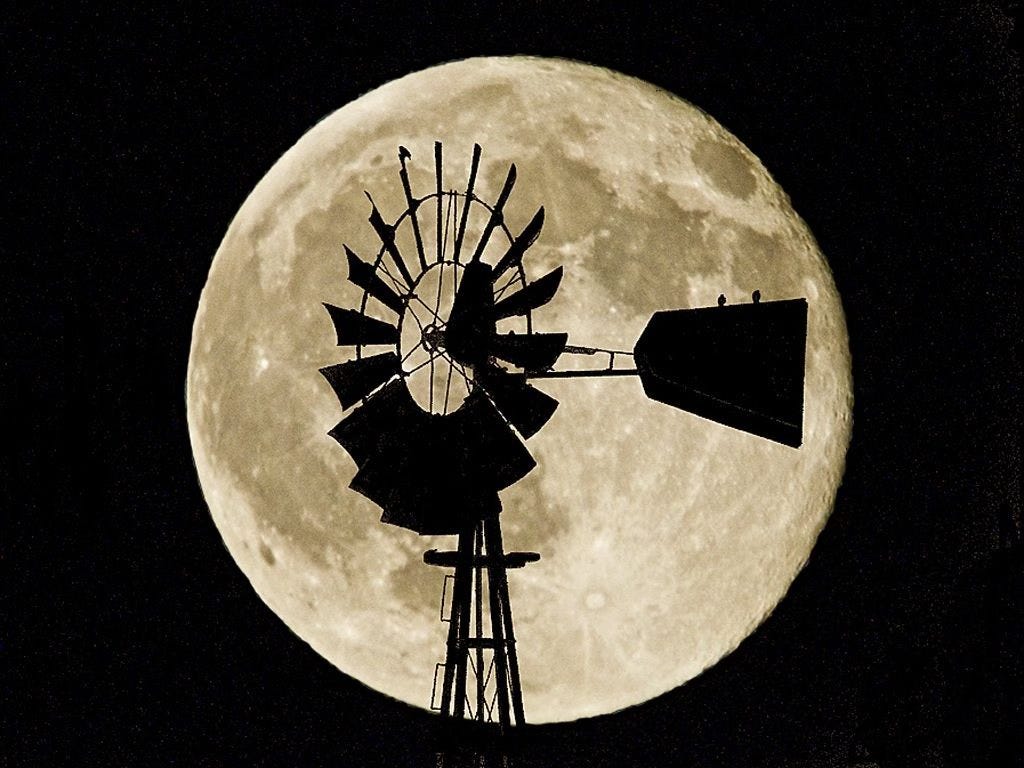
MY SONG OF THE WEEK! “Silver Moon” (a Mike Nesmith cover):
“See the lazy windmill slowly turning ahh, carving up the marble canyons of the sky / See the dust around my feet go churning ahh, moving down the winds of the highways of goodbye...”
The wide-ranging pursuits of Mike Nesmith extended far beyond his role in The Monkees. He won awards for his films and videos, and he developed the TV series POP CLIPS, which led to the birth of MTV. Musically, he produced artists as diverse as Bert Jansch and Lionel Richie, and his solo music explorations reached into electronica, funky pop , and The Great American Songbook.
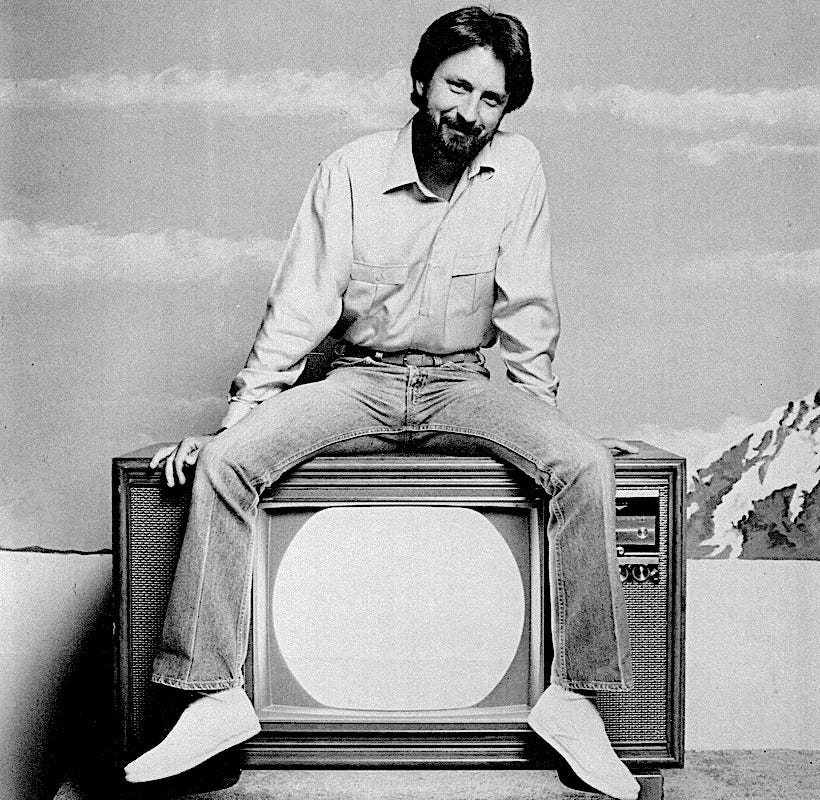
There’s been a critical reappraisal of Nesmith’s production and songwriting, specifically his ground-breaking 70s country rock material with The First National Band. They made a trilogy of albums that merged old school country with post-psychedelic rock, Tin Pan Alley, and Latin styles. Truth is, Nez was dabbling at this before and during The Monkees; The FNB just elaborated on it (even if people didn’t “get it” then). Decades later this phase of Nez has a fresh audience, with some arguing whether Gram Parsons or Nez was The Original Cosmic Cowboy. The fusion of country and rock had been developing for years, pioneered by Buffalo Springfield, The Byrds, Bob Dylan, Flying Burrito Brothers, Rick Nelson, Nitty Gritty Dirt Band, Linda Ronstadt, and Buck Owens, but the fusion was initially regarded as an experimental novelty. Then, in summer 1972, The Eagles broke out with it big time in with the single “Take It Easy.” From there, country rock went mainstream, artists galore announced themselves as “country rockers.” and the genre caught on around the world—particularly in the U.K. as Richard Thompson and Fairport Convention-spinoffs dabbled in the style.
There may be two reasons why Nez’s articulate and poetic brand of country rock didn’t catch fire when it launched in 1970. First, there was slight blowback from his being an ex-Monkee, and Nez also had a tendency to be ahead of his time. Second, it didn’t help that his manager sent the FNB on a an ill-timed promotional tour of England, which went bust, even after Jimi Hendrix and Ringo Starr promoted Nez’s “new sound” at a London press conference.

Nez’s set might’ve played well in the United States, where Americana and country had a growing audience, but Nez’s new sound was just plain odd to most Brits. The FNB returned home but were too burned out to do a proper tour of the U.S. even though their 1st single, the atmospheric country ballad “Joanne”
entered the Top 10 in July 1970.
In November 1970, Nez & The FNB followed-up with the single “Silver Moon,” which charted in the lower Top 20. The FNB rhythm section included bassist John London (a key player in many Monkees sessions) and drummer John Ware (Emmylou Harris, Stone Poneys, West Coast Pop Art Experimental Band), both of whom had connected with Nez in his days home state of Texas. Another crown in the FNB line-up was former Wrecking Crew legend Red Rhodes, whose pedal steel guitar is heard on sessions for The Beach Boys, The Byrds, James Taylor, and countless others. The “Silver Moon” session was filled out by Glen D. Hardin, pianist for Roy Orbison, Elvis Presley, The Wrecking Crew, and TV’s Shindig. The catchy song takes a standard Tex-Mex shuffle and reframes it with rock’n’roll chord changes similar to another great Texan, Buddy Holly. Here’s a rare extended version of the song with a hard ending (originally available only on Quadraphonic 8-track tape):
In the late 80s I added “Silver Moon” to my solo set, carrying into the 90s with The Gypsy Lizards, a folk-pop trio led by singer-songwriter Paul Farnham. Concurrently, I began to work with Davy Jones, the British Monkee. He heard me do “Silver Moon” at a gig and next thing you know he started singing it (there’s a bootleg of us doing it in live in Ohio). Then in 1996 I met Nez at the JUSTUS recording sessions in Nashville. I told him about the coverage “Silver Moon” was getting, and he was amused and surprised.
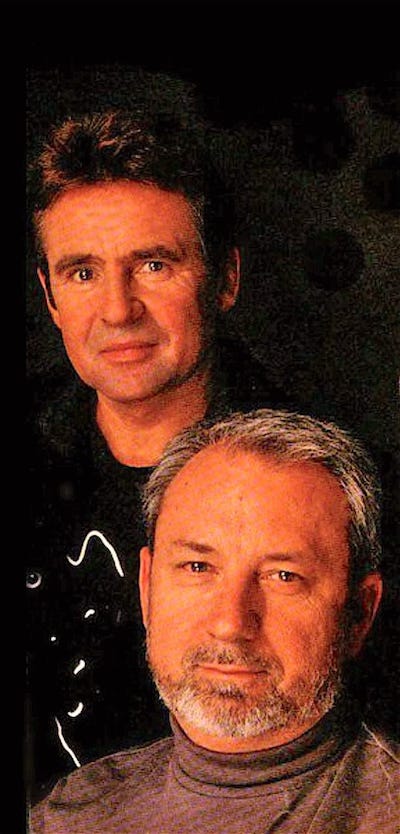
A year later I convened with a Nez tribute act called The Third National Band (Donna Bailey, Gary Owen, Scott Ringle). We cut this version of “Silver Moon” that imagines Buddy Holly with cranked pre-amps. John Bechdel (Killing Joke, Ministry) is at the mixing board. I still play this song in my solo acoustic set, and I never tire of the cosmic cowboy images in this inspiring song.
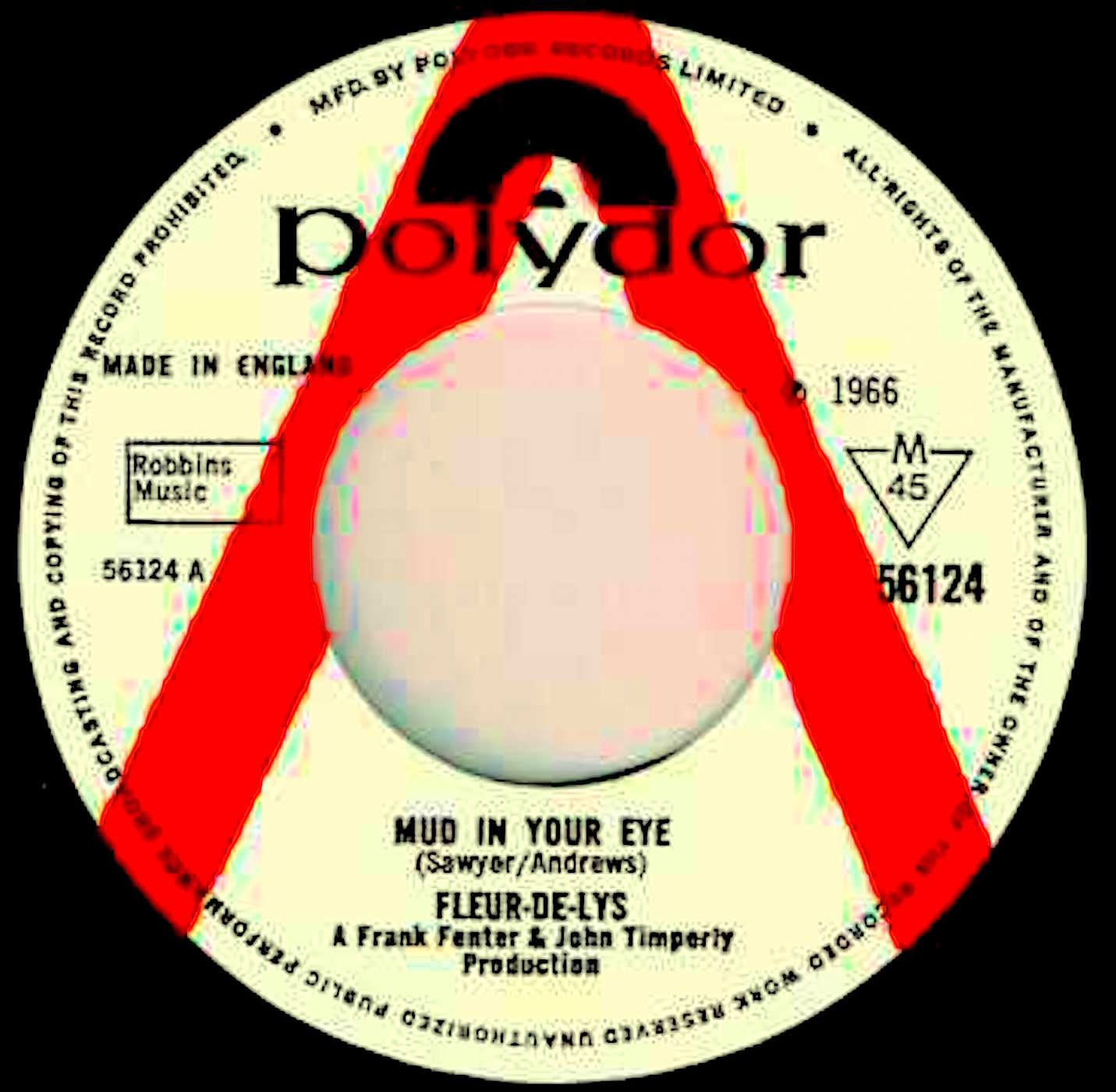
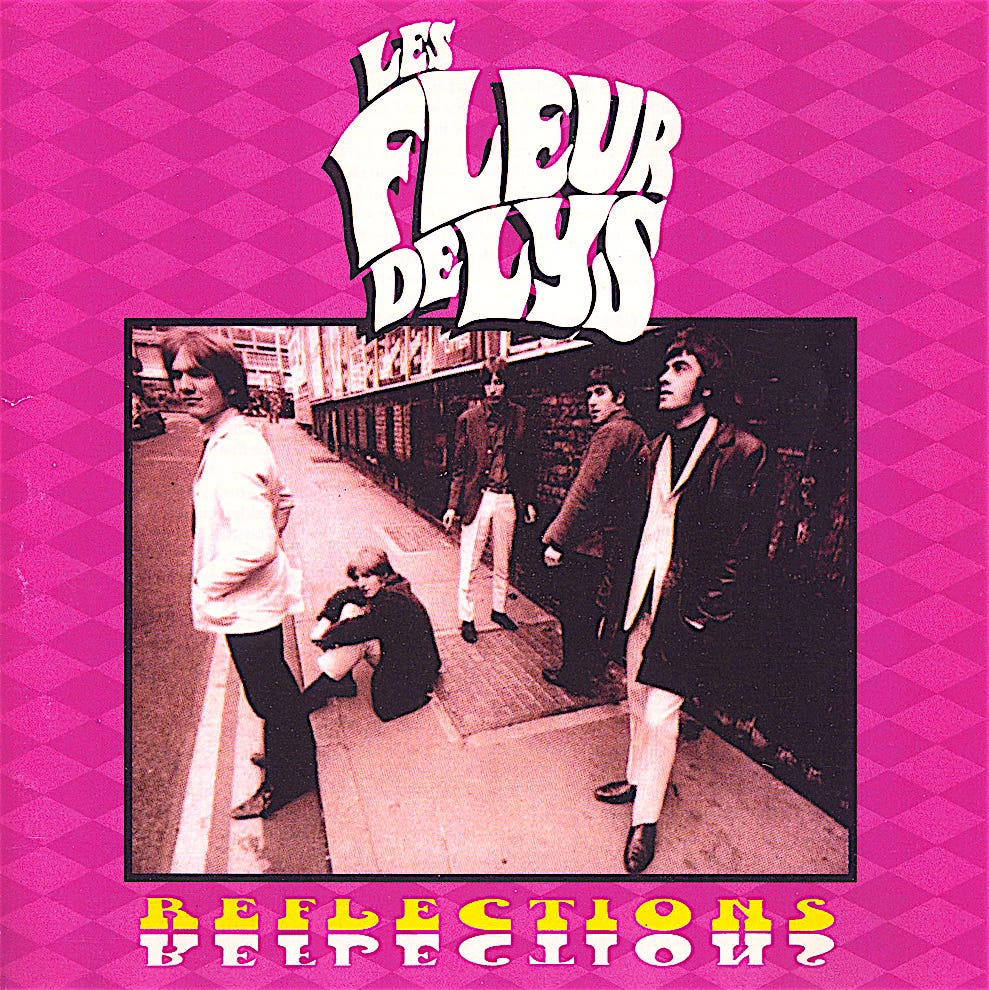
60 YEARS OF FREAKBEAT AND THE SONG THAT LAUNCHED IT: “Mud in Your Eye” by (Les) Fleur de Lys, the lively British rock band credited for starting the “freakbeat” sound—a mash-up of hard-edged mod rock, psychedelia, r’n’b/soul, and garage rock.
(a video I made).
The term “freakbeat” was retrospectively coined by journalist/archivist Bill Smee to explain the gap between 1964 British beat music and 1967 psychedelic hard rock. Nostalgically, “freakbeat” is a bi-product of mid-60s “swingin’ London” and it summarized all-night dance raves with light shows and long, trance-y songs. It embraced bands such as The Move, early Pink Floyd and The Who, Small Faces, and Tomorrow (with props to producers Joe Meek and Shel Talmy), and its influence re-emerges through the decades. By default or design, Fleur de Lys are named as poster boys for “freakbeat,” but despite support from Jimmy Page and Pete Townshend (plus getting hired to back American soul artists), FDL were commercial outliers during their hardscrabble five years as a band. Today FDL gets props for jump-starting the careers of Gordon Haskell (“Harry’s Bar” + King Crimson), guitar hero Bryn Haworth, and Pete Sears (Jefferson Starship).
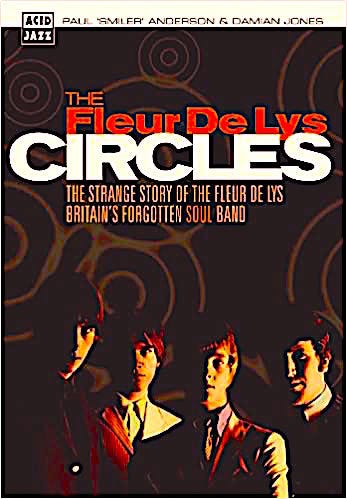
In April 1966 Fleur de Lys began a series of line-up changes. 18-year-old Chris Andrews (ex-of the garage band The Gremlins) came on as guitarist-vocalist to replace Frank Smith, who’d quit FDL right as their single “Circles” (a Who cover) was getting airplay. Then FDL signed to Polydor Records and were set to lay down new tracks in IBC Studios in London (Sidebar: The studio where the first tapes were made for the famed Mellotron keyboard).
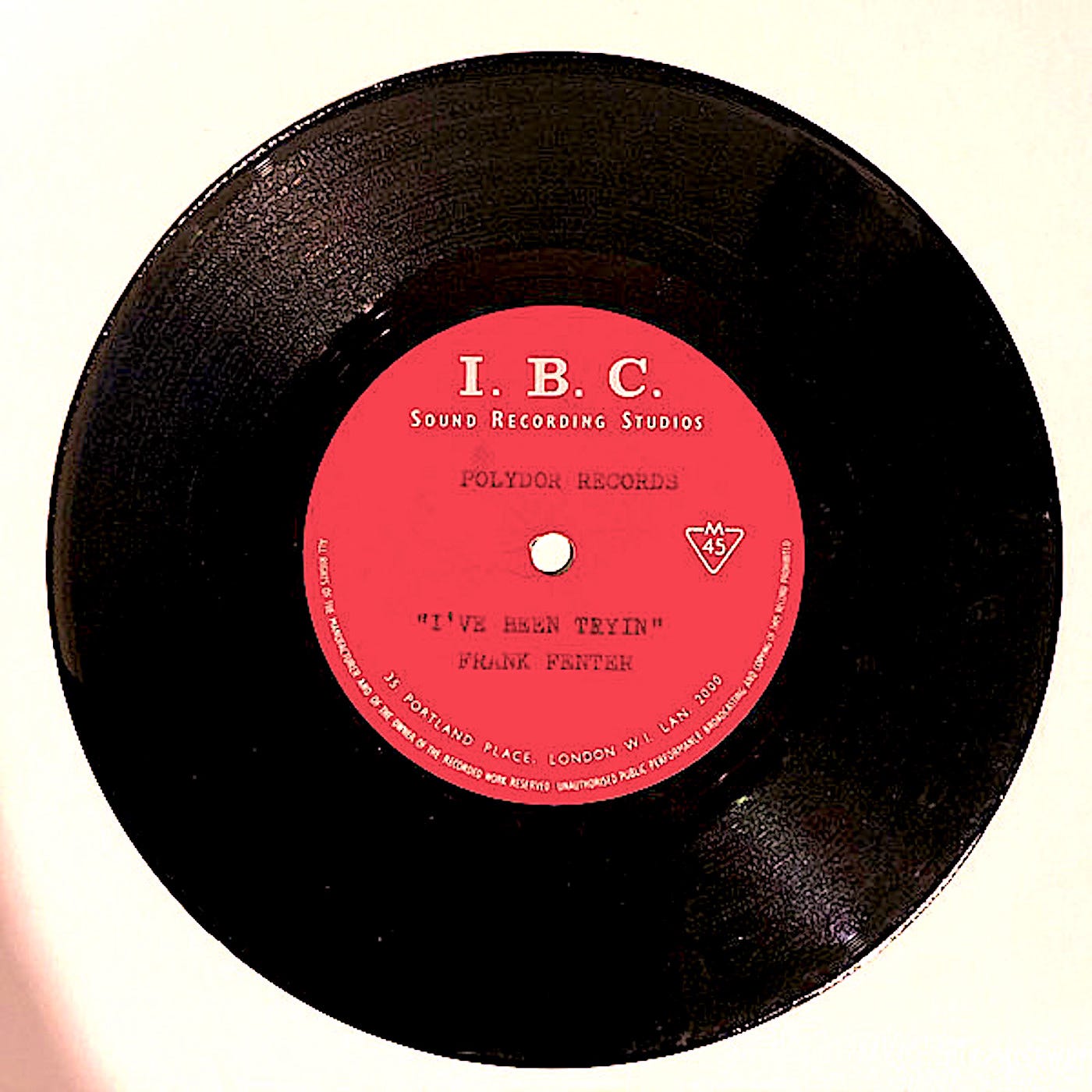
They went in with two new tracks—a cover of The Impression’s “I’ve Been Trying,” and the “jagged, pounding” A-side, “Mud In Your Eye.” Chris said, “The night before the session, Phil (Sawyer of FDL) and I were sitting in my mum’s kitchen wondering what we were going to record for the session. Neither Phil nor I had any songs ready…so we semi-wrote ‘Mud…’ the night before we went into the studio.” Sawyer was supposed to sing lead but couldn’t nail it, so Chris laid down a snarling, gritty vocal that fit well with Sawyer’s slashing guitar and the heavy rhythm section of Keith Guster and Gordon Haskell.
Today “Mud in Your Eye” is toasted as a landmark in the playfiles of British psychedelic rock, but when it was released as a single in November 1966, it barely charted. Chris Andrews left soon after and carried on as a solo act, actor, singer-songwriter, and collaborator w/Roger Daltrey, David Essex, and Davy Jones (Monkees)—Chris continues to release new music and he and I have collaborated in recent years. Here’s “mud in your eye”...